Major Interventions Accomplished
Shine On International Trust focuses on supporting people with disabilities through three strategic initiatives:
- Providing computer training and information and communication technology (ICT) skills to people with disabilities
- Providing entrepreneurship training programmes for people with disabilities
- Advocating for equal opportunities, inclusive policies, and the human rights of people with disabilities
We have successfully conducted well-attended ICT workshops in Bulawayo, Gweru, Mutare, and Harare. We have also been actively involved in advocating for equal opportunities for people with disabilities in a meaningful and practical way.
We believe that when employment opportunities are limited, people with disabilities should be empowered to create their own livelihoods and businesses, enabling them to support themselves and their communities while also contributing to their country's economy.
Mobility Canes
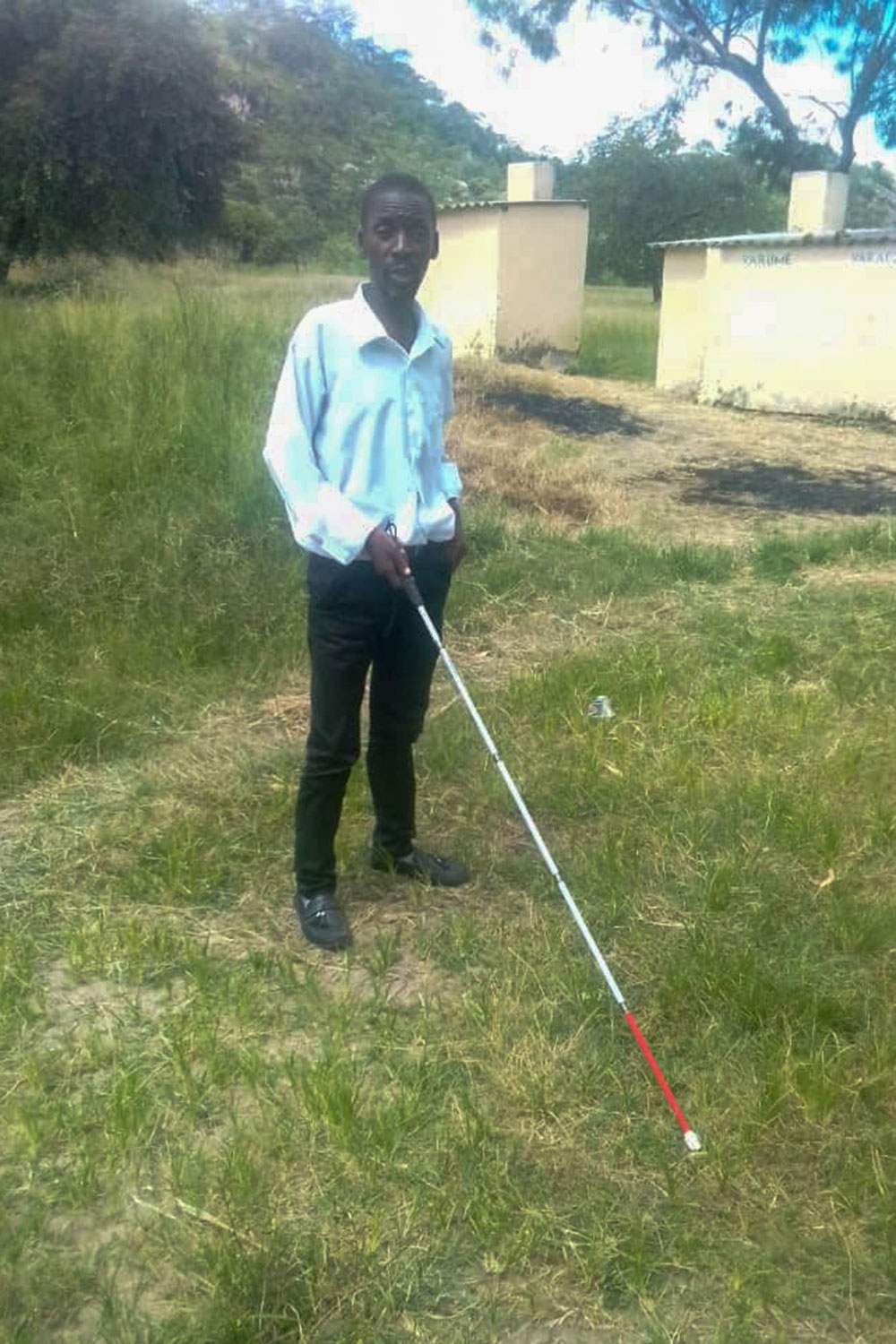
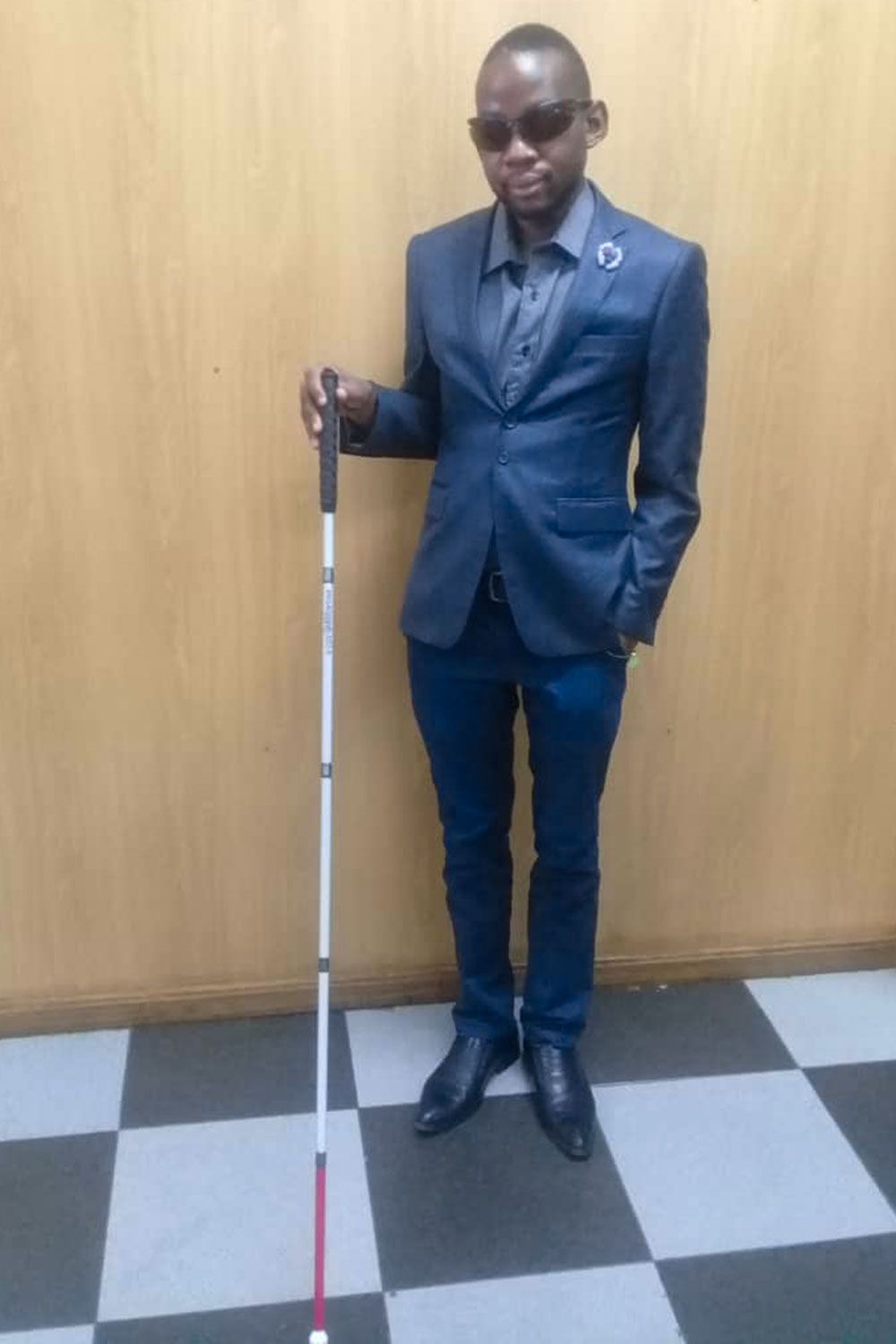
In 2020, we started a programme to support blind and visually impaired people by providing mobility canes. Since then, we have distributed 45 mobility canes (white canes) to blind people in Zimbabwe.
Our primary target group is young people between the ages of 18 and 35. We believe that mobility canes can empower them by increasing their independence and helping them move safely and confidently within their communities.
With the support of partners, sponsors, and donors, we hope to provide mobility canes to even more people in the future. If you would like to become a mobility cane partner, please contact us by email or via Facebook – Shine On International Trust.
Media as a Tool for Independence and Empowerment
Overview
Media shapes how we learn, connect, work, and participate in public life. For blind and visually impaired people, it can also be a powerful tool for greater independence.
Through our media training programmes in Kenya and South Africa, we equip blind participants with the skills and confidence to use media as a tool for self-expression, advocacy, and economic and social inclusion. We train blind people to work in radio and online radio, giving them the skills to produce, present, and broadcast their own programmes.
Why This Matters
Blind people are often underrepresented in the media, both as audiences and as creators. Inaccessible tools and a lack of tailored training mean that many are excluded from conversations that affect their lives.
Our training addresses this by demonstrating that:
- Media can be accessed and used independently with the right skills and assistive technology.
- Blind people can tell their own stories rather than having others tell them.
- Media skills can open doors to employment, entrepreneurship, and civic participation.
What We Do
Our hands-on training sessions provide participants with practical skills in areas such as:
- Using assistive technology, including screen readers and accessible mobile apps, to access information and media
- Audio and radio production, from recording and editing to presenting
- Working in radio and online radio, from producing and presenting shows to broadcasting them to listeners
- Podcasting and storytelling, enabling participants to share their own voices and experiences
- Social media and digital communication to build networks and raise awareness
- Advocacy through media to promote disability rights and inclusion